
Cable termination is where most sealed RMU failures actually begin. The switchgear itself is tested and gas-tight when it leaves the factory; the joint that a site electrician makes in a cable box at 6 pm on a wet afternoon is not. Getting the termination type right — and matching it to the cable, the box and the fault level — removes a whole class of commissioning problems.
An RMU cable termination is therefore a decision about three things at once — the cable box, the cable and the fault level. The rest of this note works through that decision.
Sealed ring main units accept three termination families: elbow connectors, straight connectors and T-connectors. Each has a place, and choosing the wrong one usually shows up as a cable that will not fit, a box that cannot close, or a partial discharge reading that will not settle during commissioning.
What a cable termination has to do in an RMU
A termination has four jobs at once: carry the load current without overheating, hold off the system voltage at the cable/air interface, transfer the earth screen to the switchgear earth, and keep water out of the cable box. In a sealed RMU the fourth job is the one that matters most, because the box is small and the insulation is gas, not air.
That is why the termination is always specified together with the cable box, not separately. A connector rated correctly but fitted into a box with the wrong depth has exactly the same effect as an undersized cable: stress control fails and the joint becomes the weak point.
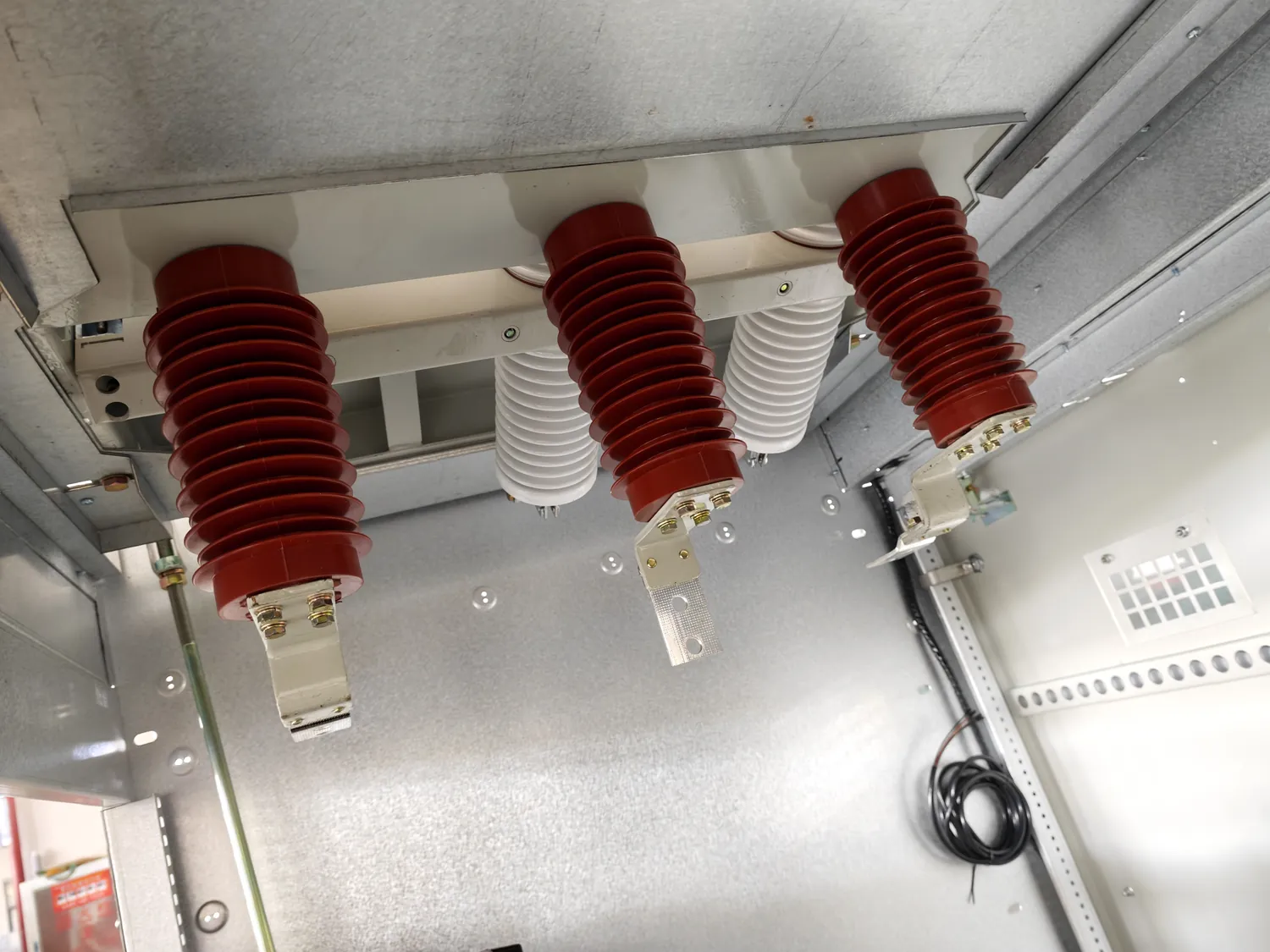
Elbow connectors: the default for sealed RMUs
The elbow (or right-angle) connector is the standard answer for compact RMUs. It bolts onto a bushing that points horizontally or downward and turns the cable through 90 degrees, which keeps the cable box shallow.
- Best where the box depth is limited and the cable enters from below.
- Needs a defined bushing interface — the interface type (A, B or C) must match the connector, or the joint will not seat.
- Stress control relies on the moulded cone inside the elbow, so cable preparation dimensions are critical.
- Suited to cable sizes from roughly 25 to 300 mm² depending on the interface and current rating.
Because the elbow is a push-fit over the bushing, the insertion depth and the locking ring torque are the two numbers that decide whether the joint passes a partial discharge test. Both should be on the installation drawing, not left to the fitter’s judgement.
Straight connectors: better where space allows
Straight connectors keep the cable in line with the bushing. They are mechanically simpler, easier to inspect after fitting, and often preferred in outdoor cable boxes and in retrofits where the cable comes up vertically into the unit.
The trade-off is length: a straight connector adds 150 to 250 mm to the cable path, so the box must be deep enough and the cable must have enough slack. In a 630 A sealed RMU with a shallow bolted box, a straight connector often will not close.
T-connectors: for branching and for cable-box freedom
The T-connector takes one cable into the bushing and provides a second port that can be capped, used for a parallel cable, or used for voltage detection and testing. It is the most flexible of the three and the most common choice where a feeder may later be split.
| Type | Box depth needed | Typical use | Watch out for |
|---|---|---|---|
| Elbow | Shallow | Compact sealed RMU, cable from below | Interface type must match bushing |
| Straight | Deep | Outdoor boxes, retrofits, vertical entry | Cable slack and box length |
| T-connector | Medium | Branching, testing port, future split | Unused port must be capped and earthed |
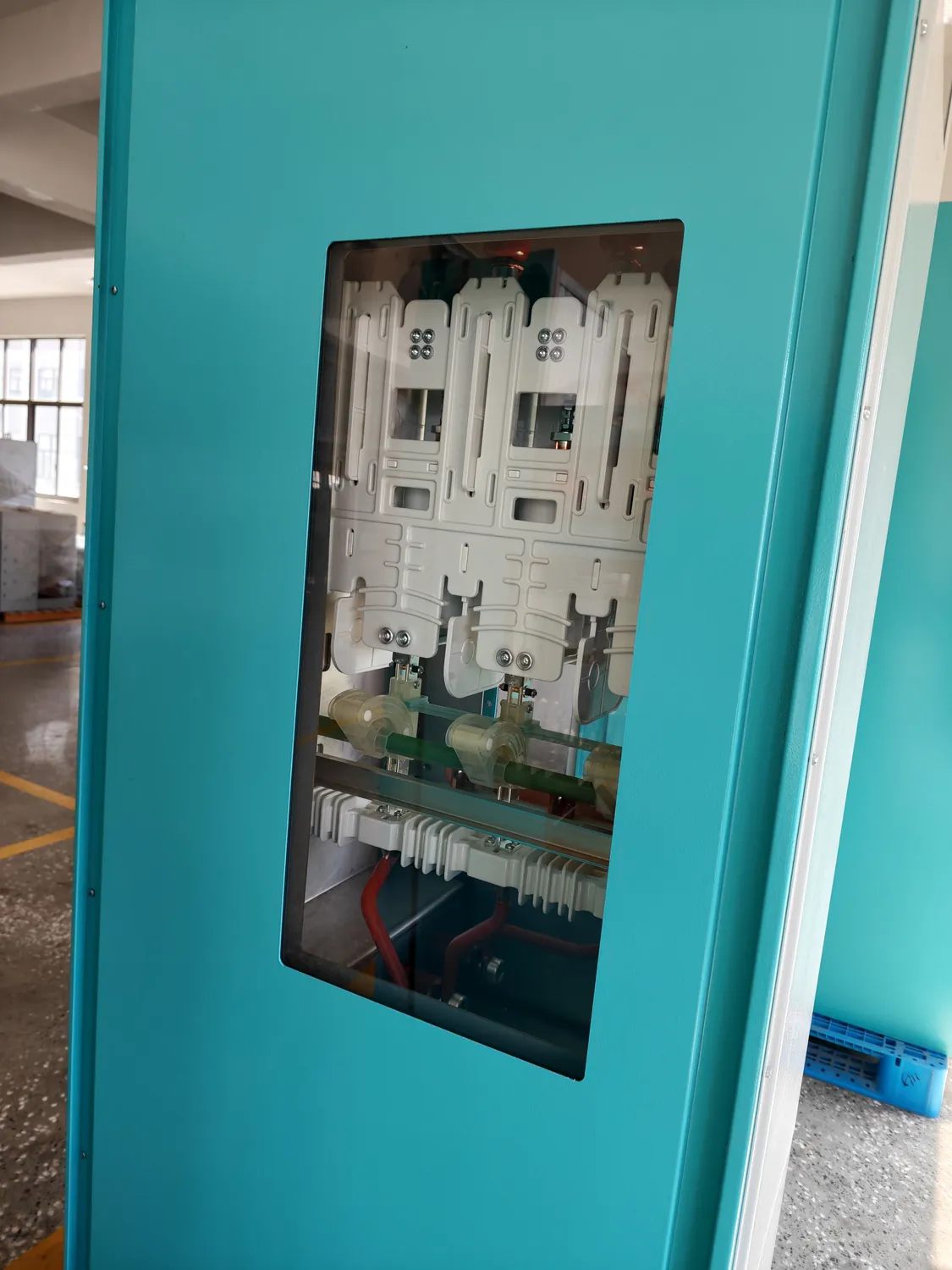
Matching the termination to the cable
Termination kits are cable-specific, not RMU-specific. A kit for 185 mm² stranded aluminium will not fit 185 mm² copper, and a kit for three-core will not fit single-core. Three numbers drive the selection: conductor size, conductor material, and cable insulation diameter over the screen.
For XLPE cable, the kit must match the insulation diameter closely — usually within a millimetre or two. A loose fit leaves an air gap at the stress cone, which is exactly where partial discharge starts. For paper-insulated legacy cable, a transition joint is normally required before any modern connector can be used. Cable sizing for the feeder itself is covered in the notes on SF6 versus solid-insulation RMU designs, which change the box depth available to you.
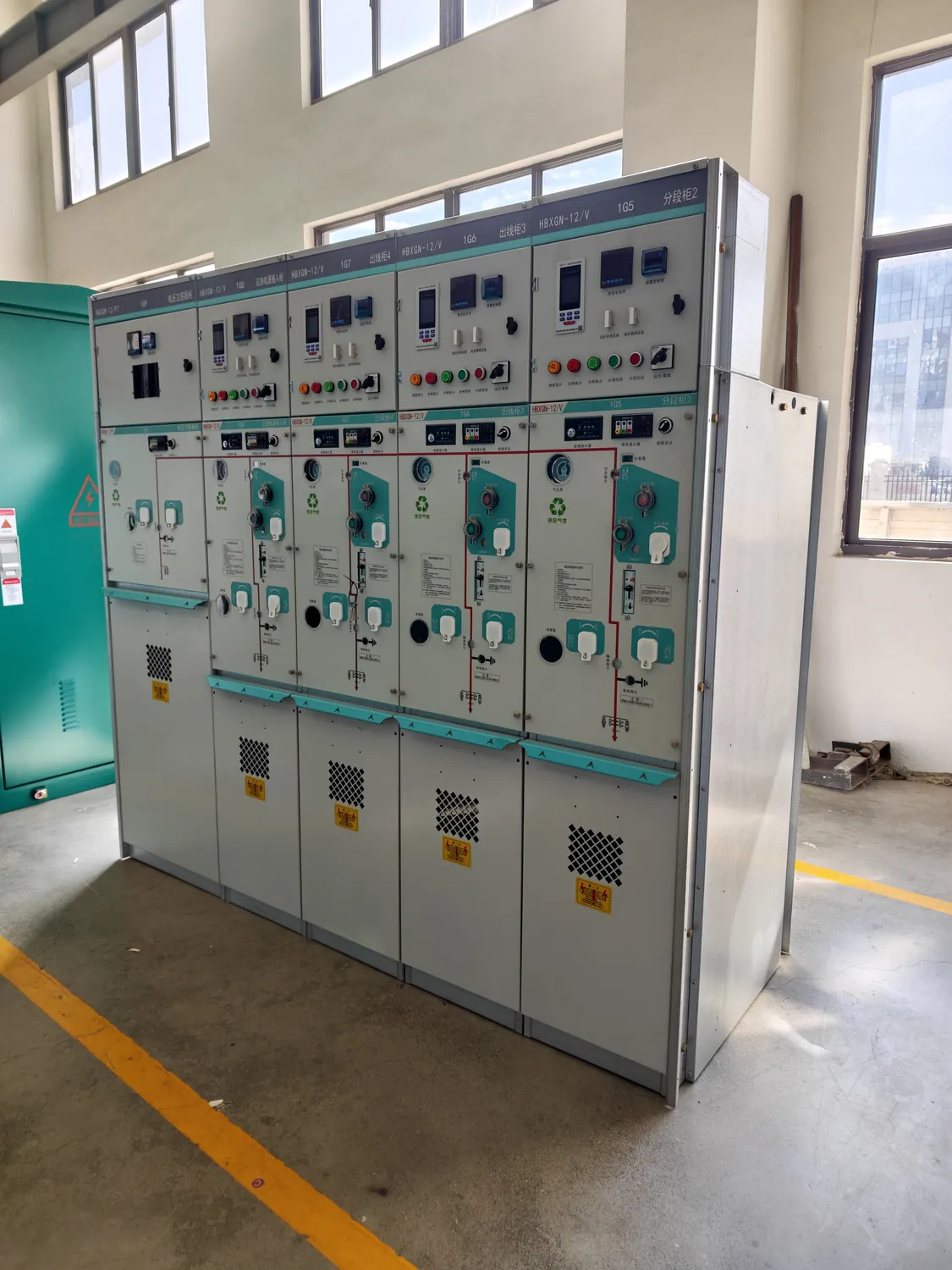
Installation checks that prevent callbacks
- Confirm the bushing interface type before the kit is ordered, not after it arrives.
- Cut and strip to the dimensions in the kit drawing; measure, do not estimate.
- Clean the insulation with the supplied cleaner only — solvent wipes leave residue that shows up as discharge.
- Apply the correct grease to the interface, not to the conductor.
- Torque the locking ring and the earth connection to the stated values and record them.
- Carry out a partial discharge check on the joint before the box is closed.
- Close the box with the gasket seated and the screws in sequence, then verify the IP rating holds.
- Record the readings and photo the joint before closing, so the routine test record is complete.
If the unit is a sealed type, the cable box gasket is the last barrier between the insulation and the weather. A box that is closed in the rain, with water already sitting on the gasket, will fail its first wet-season inspection. The tank sealing process covers the gas side; the cable box is the site team’s responsibility.
FAQ
Can I mix termination types on one RMU? Yes, per cable box, as long as each kit matches the bushing interface and the cable. Mixing types within one box is unusual and makes inspection harder.
Do I need a T-connector for voltage detection? Not necessarily. Many RMUs provide capacitive voltage detection through the bushing itself, so an extra port is only needed if the design calls for it.
What if the cable is larger than the kit range? Step to the next interface size or use a different connector family. Never force a conductor into an undersized lug — the crimp will not be gas-tight.
Is a partial discharge test required on site? It is strongly recommended for any joint made in the field. On-line PD monitoring is also available for critical feeders.
How long should a termination last? A correctly installed elbow or T-connector typically matches the cable life, around 25 to 30 years. Most failures trace back to installation, not to the kit.
What about aluminium conductors? Use a kit rated for aluminium, with the correct inhibitor, and crimp with the specified die. Aluminium terminations are less forgiving than copper.
CHNGS builds the GSRM6 gas-insulated ring main unit in Yueqing, with cable boxes configured for elbow, straight and T-connector terminations. If you are specifying terminations for an 11 kV or 33 kV project, send the cable schedule to info@chngs-electric.com or WhatsApp +86 135 8897 8050. For the wider product picture, see what an RMU is and how it is rated, and the notes on medium-voltage switchgear components from our sister plant.
