One roof, from coil to test certificate
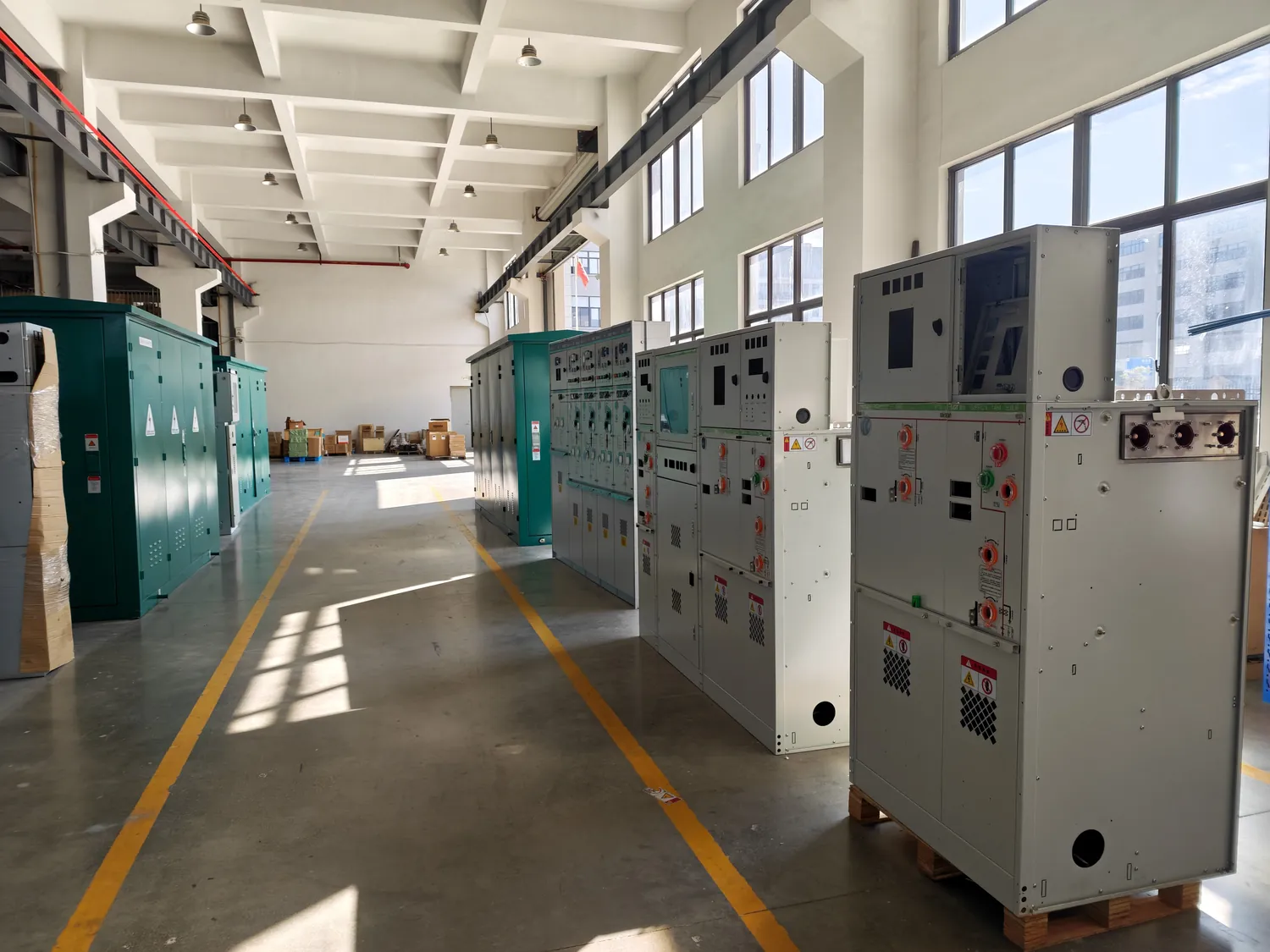
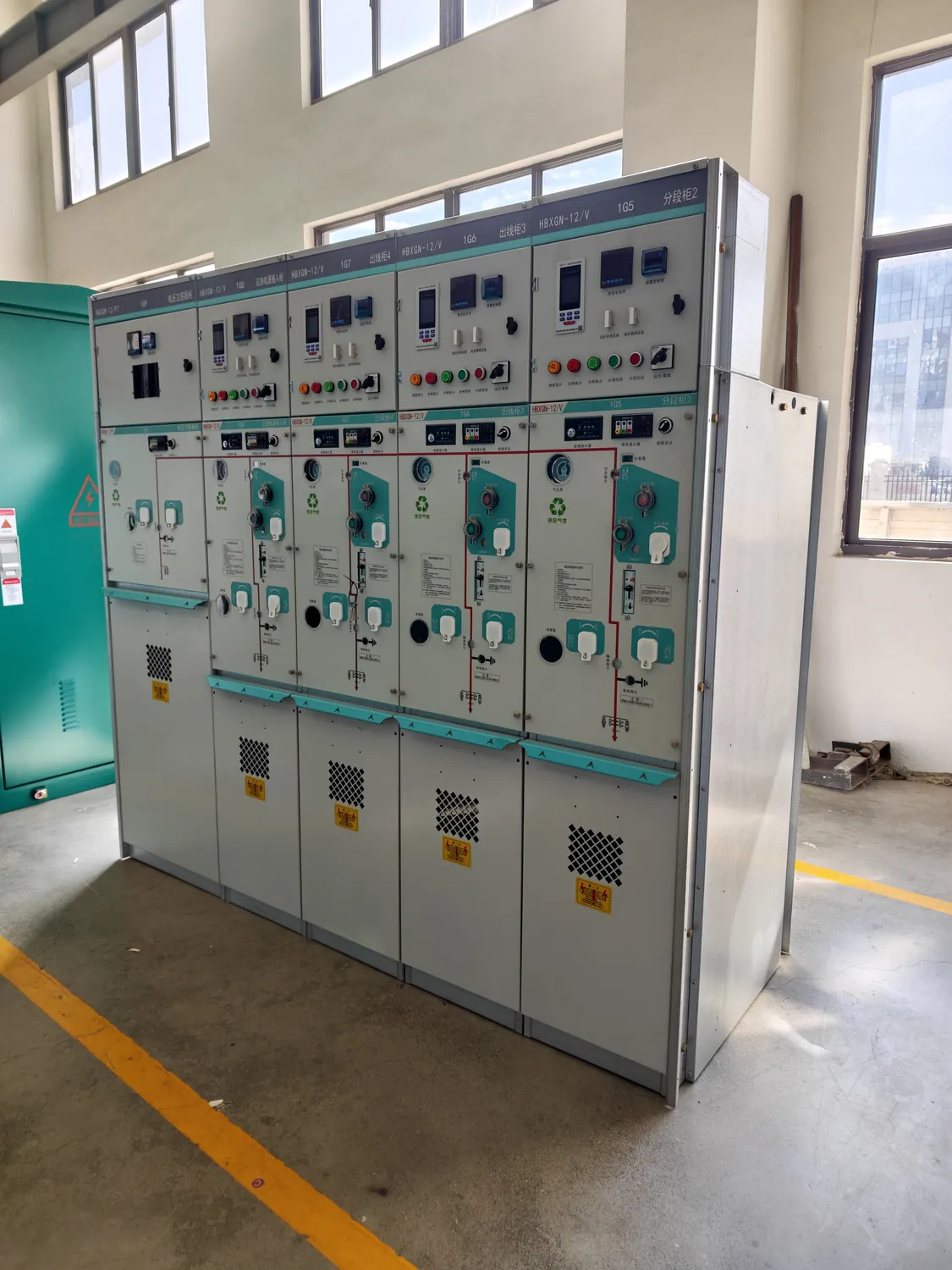
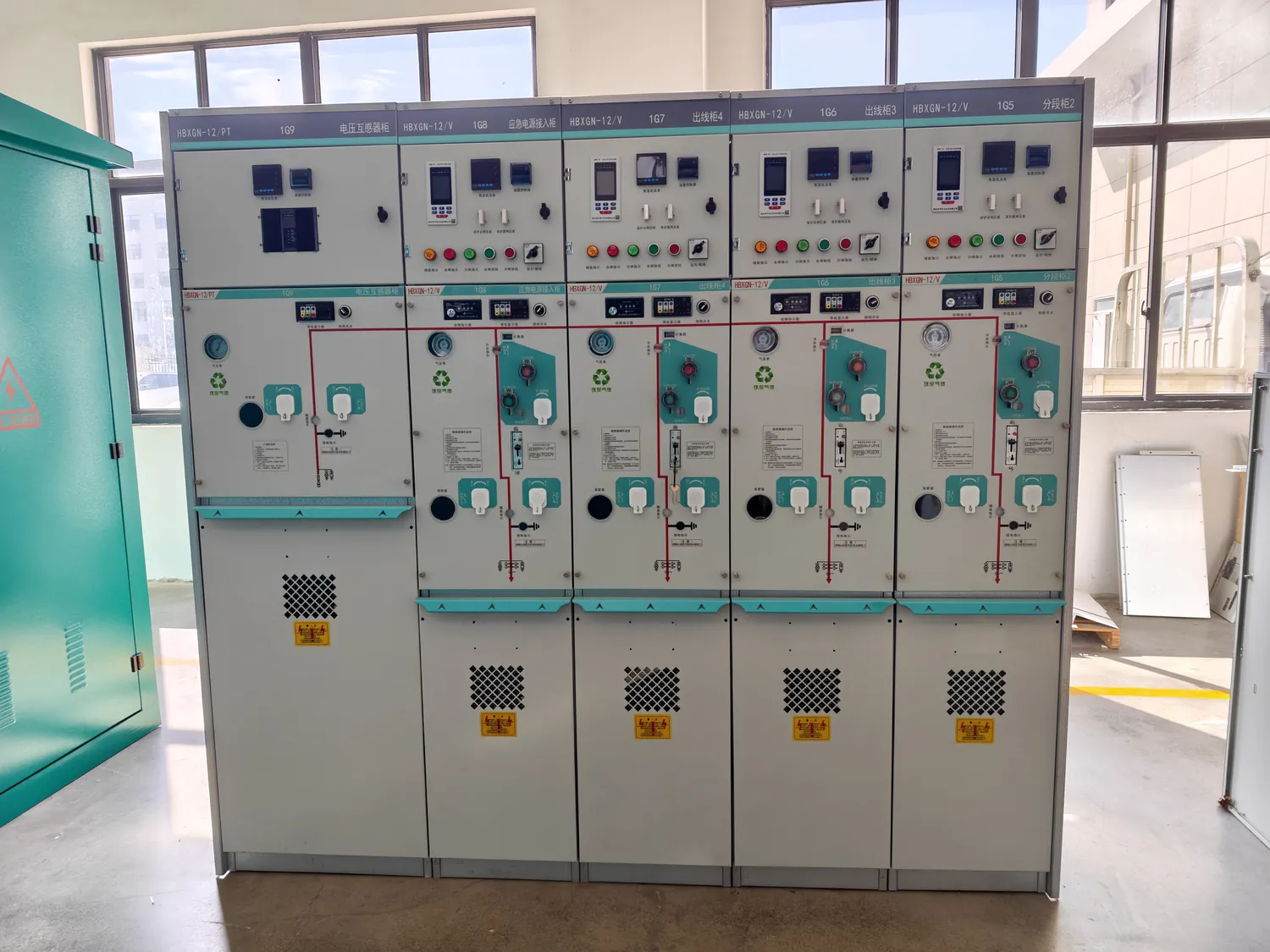
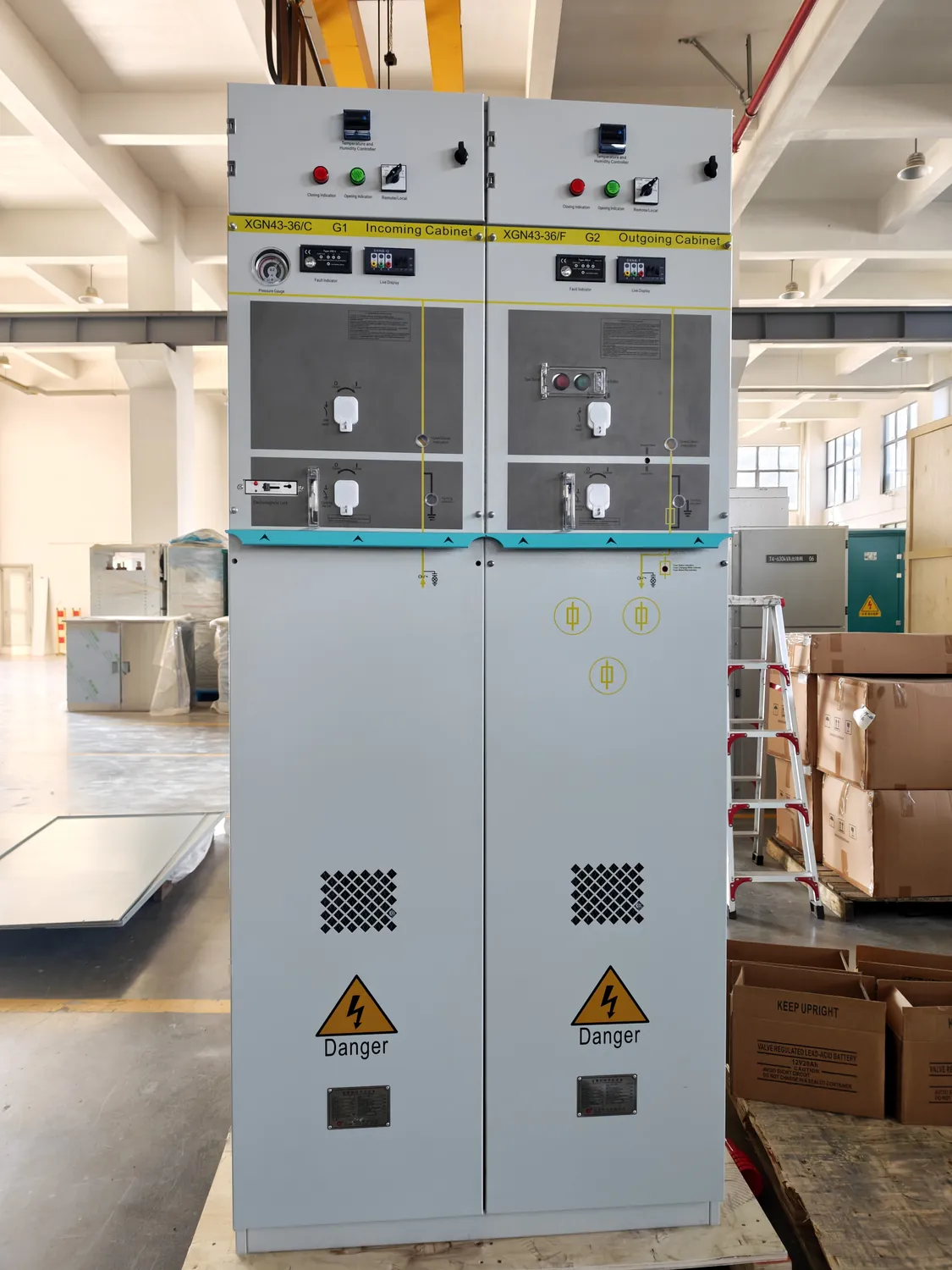
Sheet-metal forming, welding, gas filling, leak detection and routine testing are collocated, so non-standard module widths and OEM branding stay inside a normal lead time.
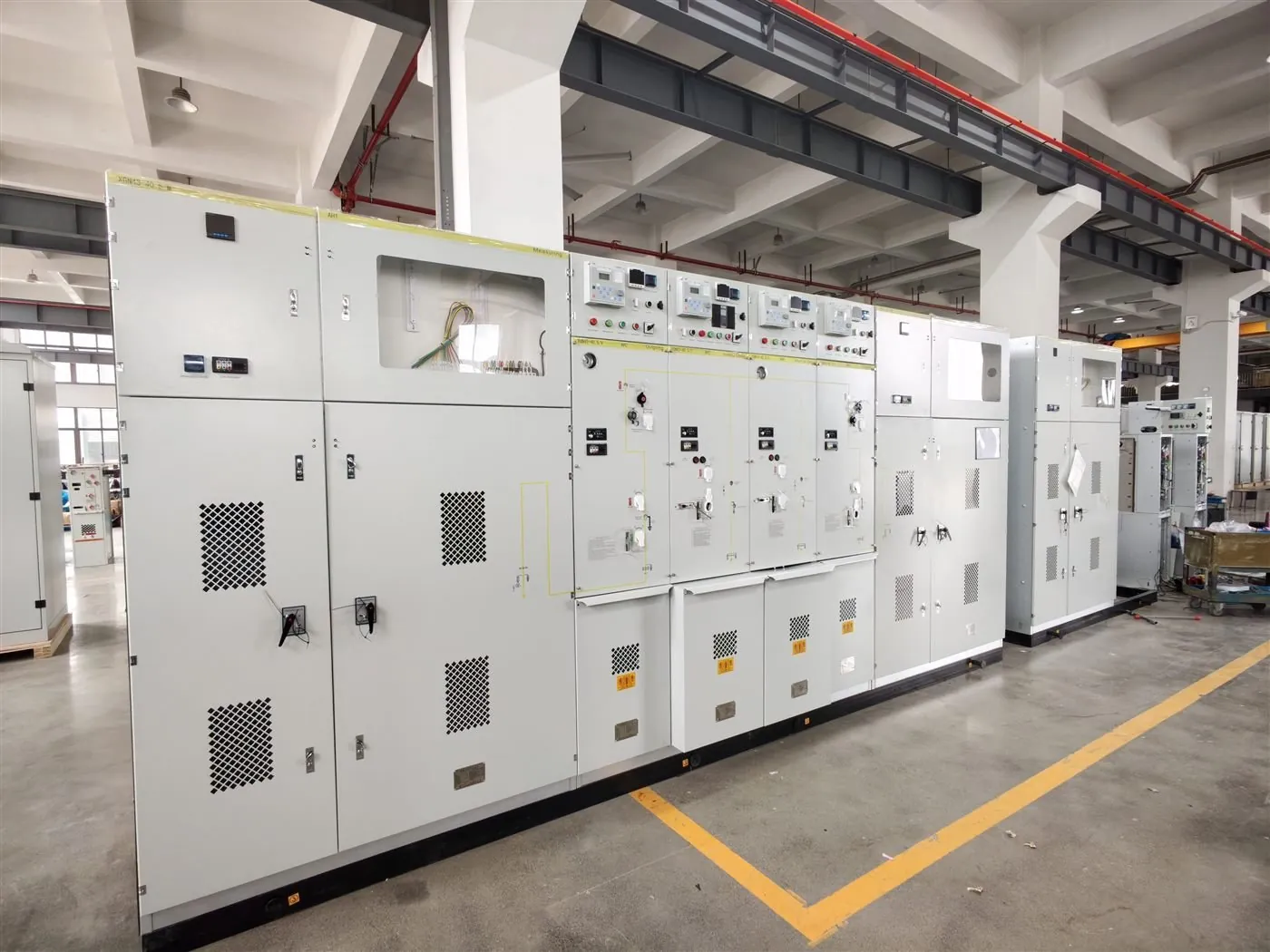
Twelve stages, one building
Sheet metal, welding, gas filling, leak detection and routine testing sit under one roof — which is why a non-standard module width adds days, not weeks.
What actually happens between the coil and the test certificate
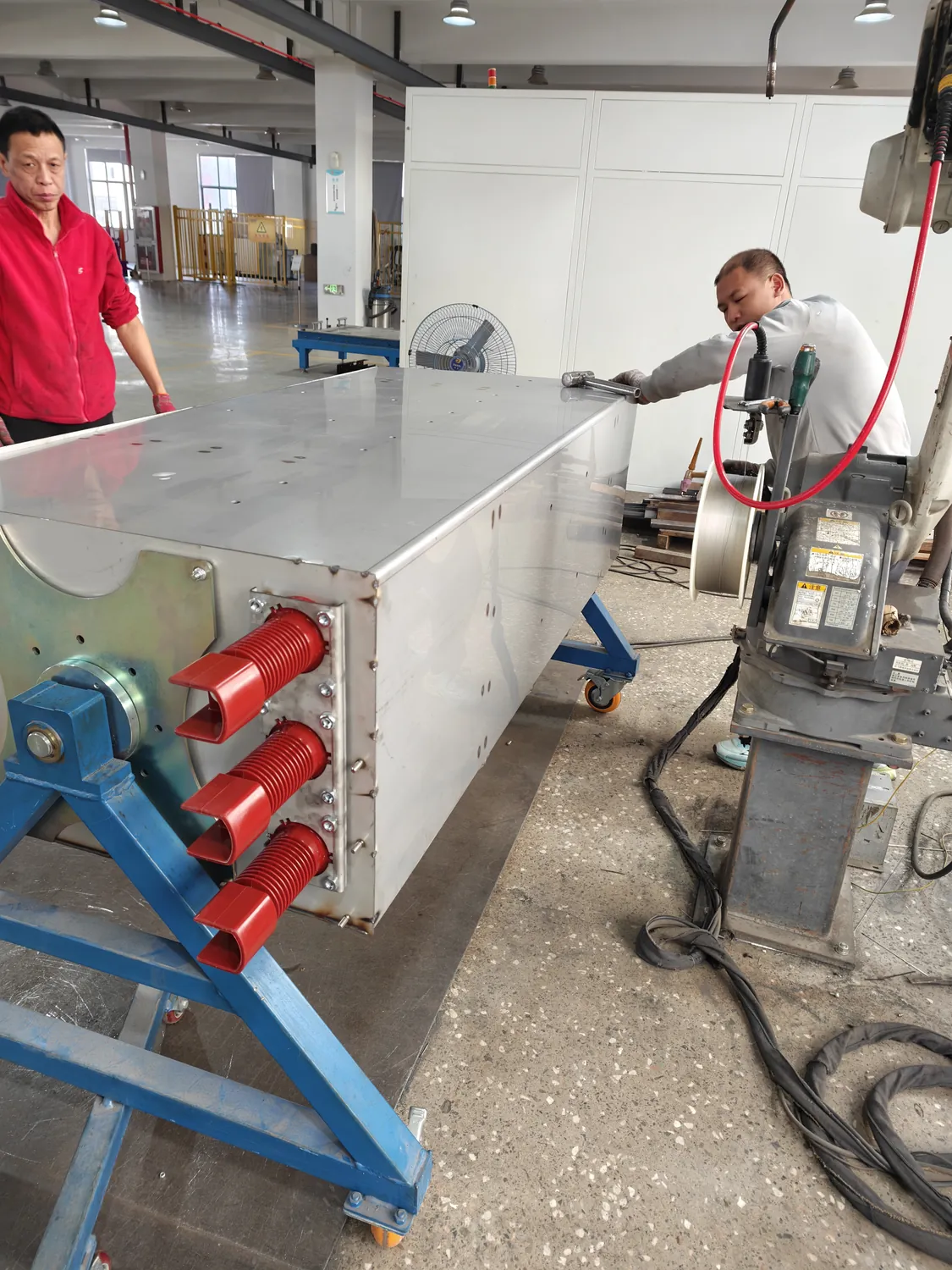
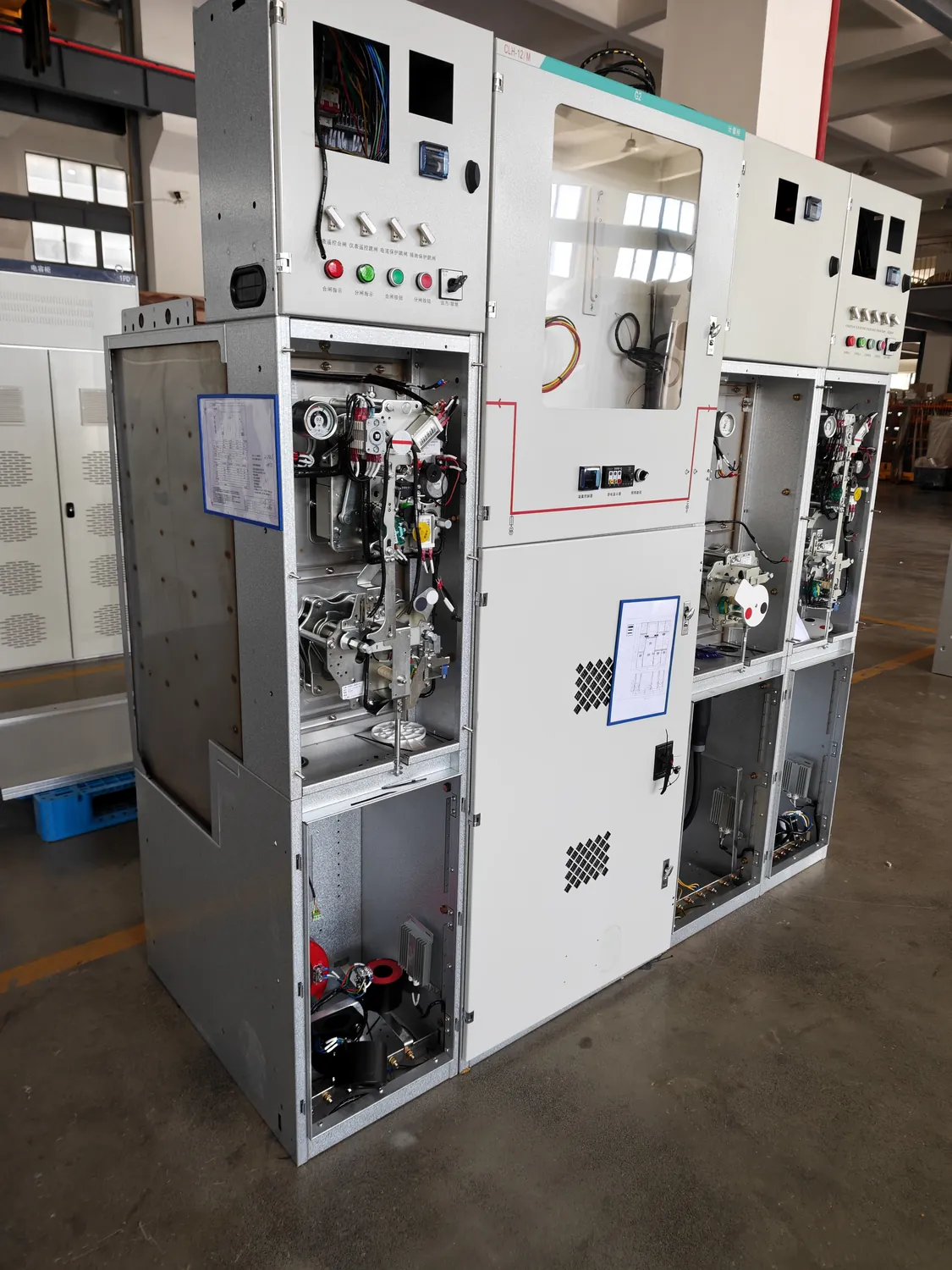
The factory is one roof in Yueqing: coil winding and epoxy casting, tank welding and flipping, busbar assembly, mechanism assembly, oven curing, then routine test. Keeping all of it under one roof is not nostalgia — it is the reason a non-standard module layout can be quoted in days instead of months, and the reason a deviation found at test can be corrected before the unit is packed.
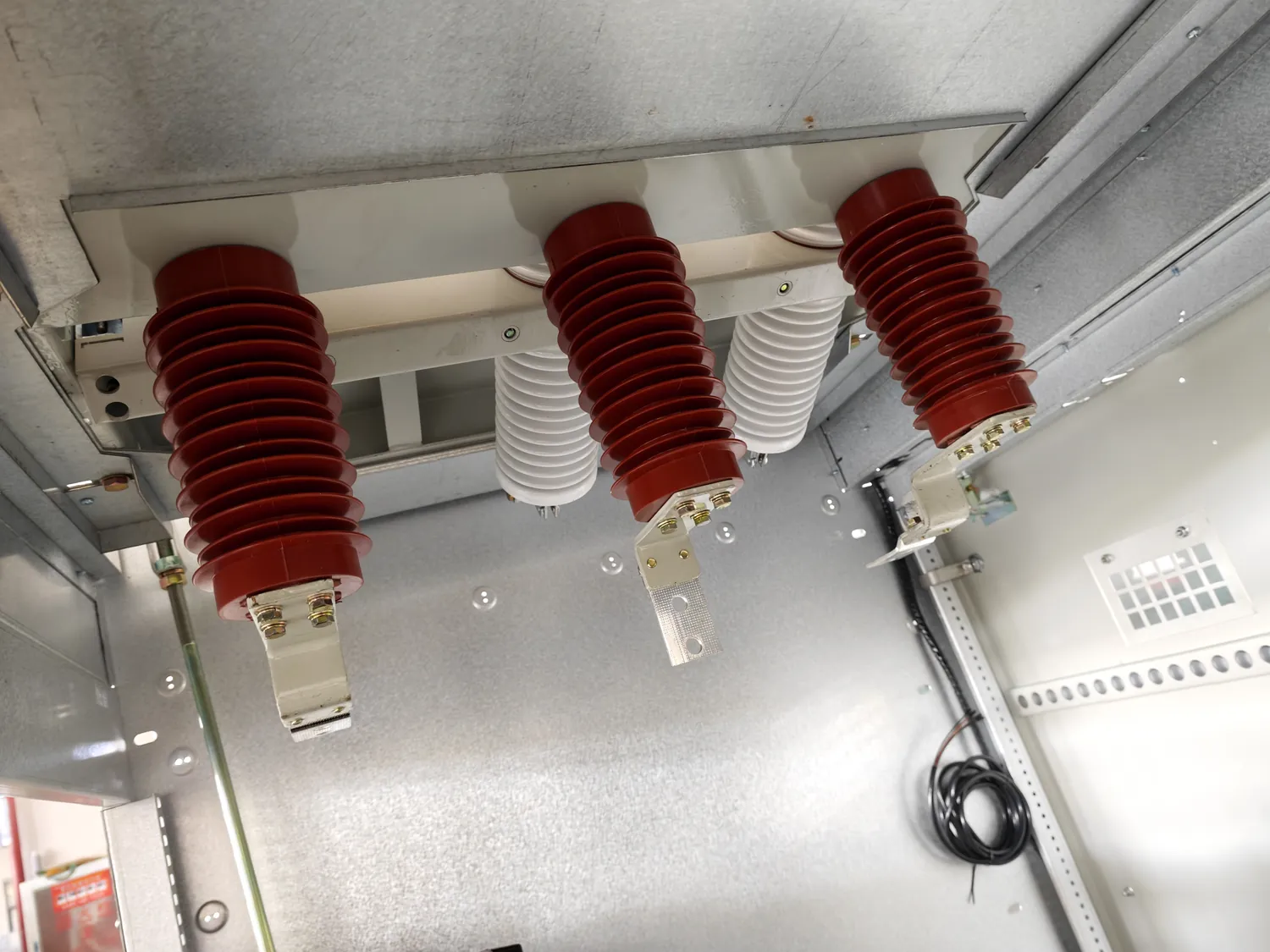
Epoxy parts are cast in-house, which matters at 24 kV and 36 kV: the insulation geometry of a bushing or a support insulator is the part most often copied badly by assemblers who buy castings on the open market. Tank welding is done on positioners that flip the shell, so the welds that carry gas pressure are made in the flat position and inspected before painting.
What this means for your project
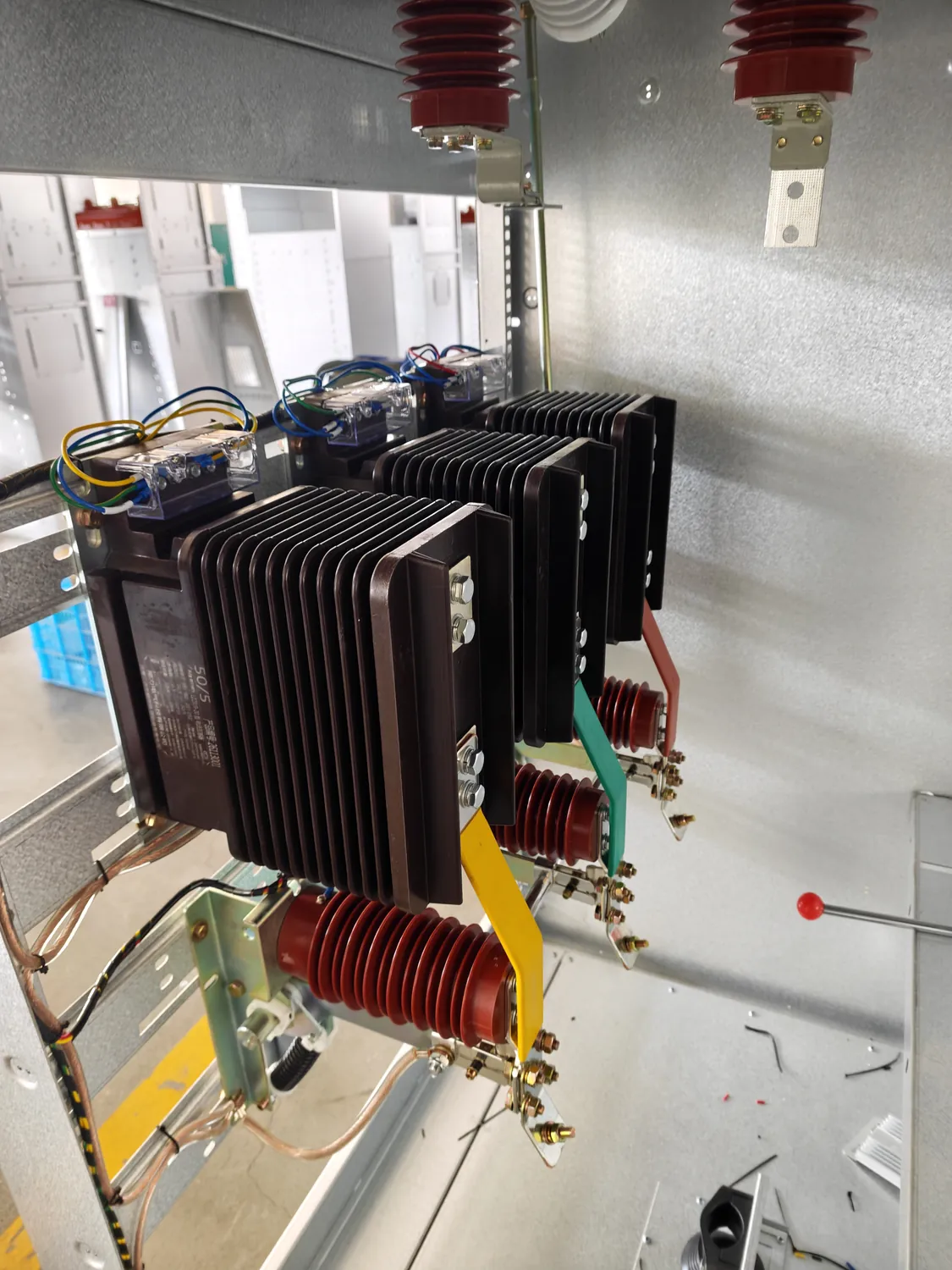
- Casting — coil winding, epoxy vacuum casting and cure for bushings, support insulators and CT bodies.
- Tank — stainless and mild-steel shells welded on flipping positioners, pressure-tested, then painted.
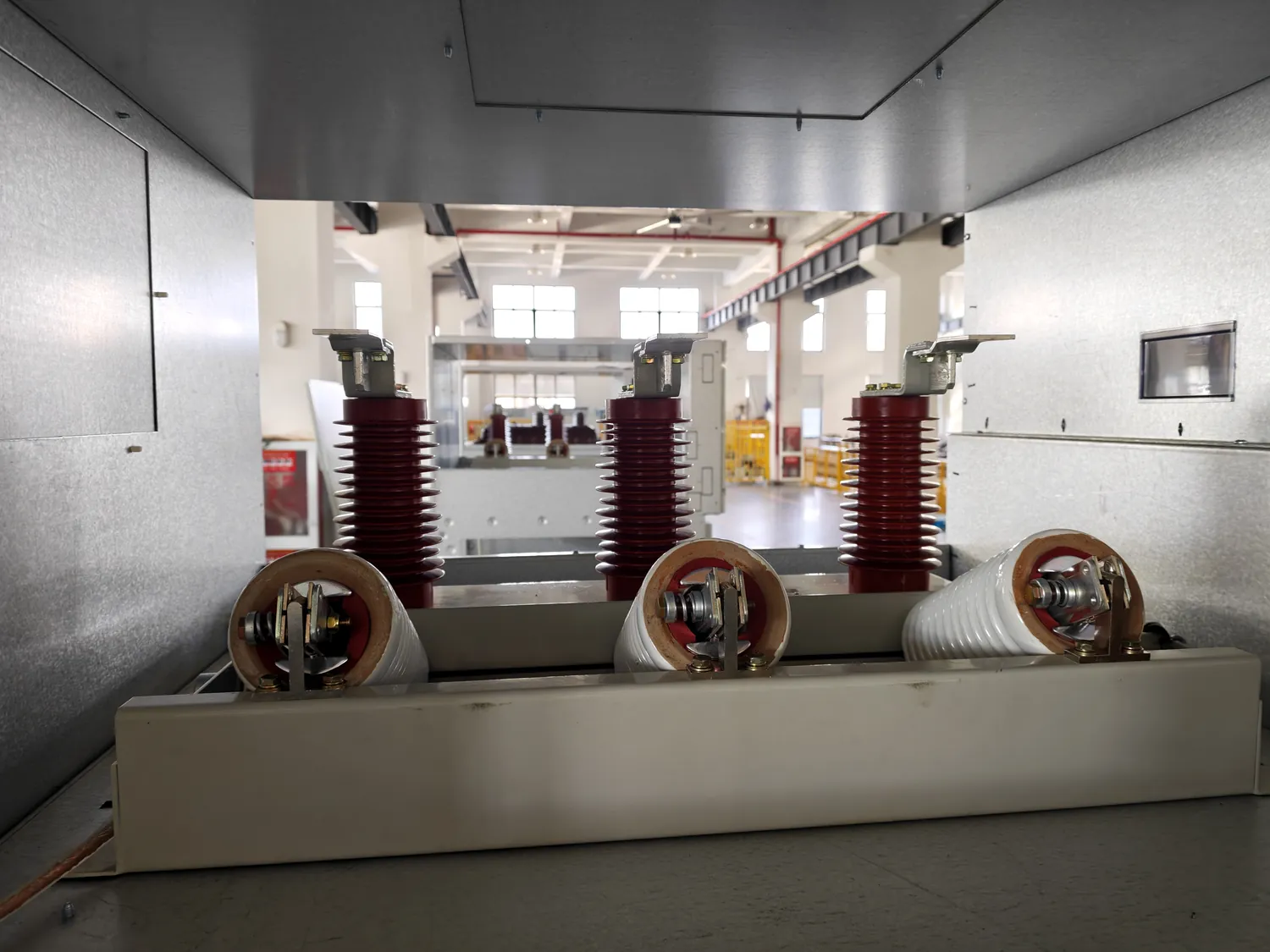
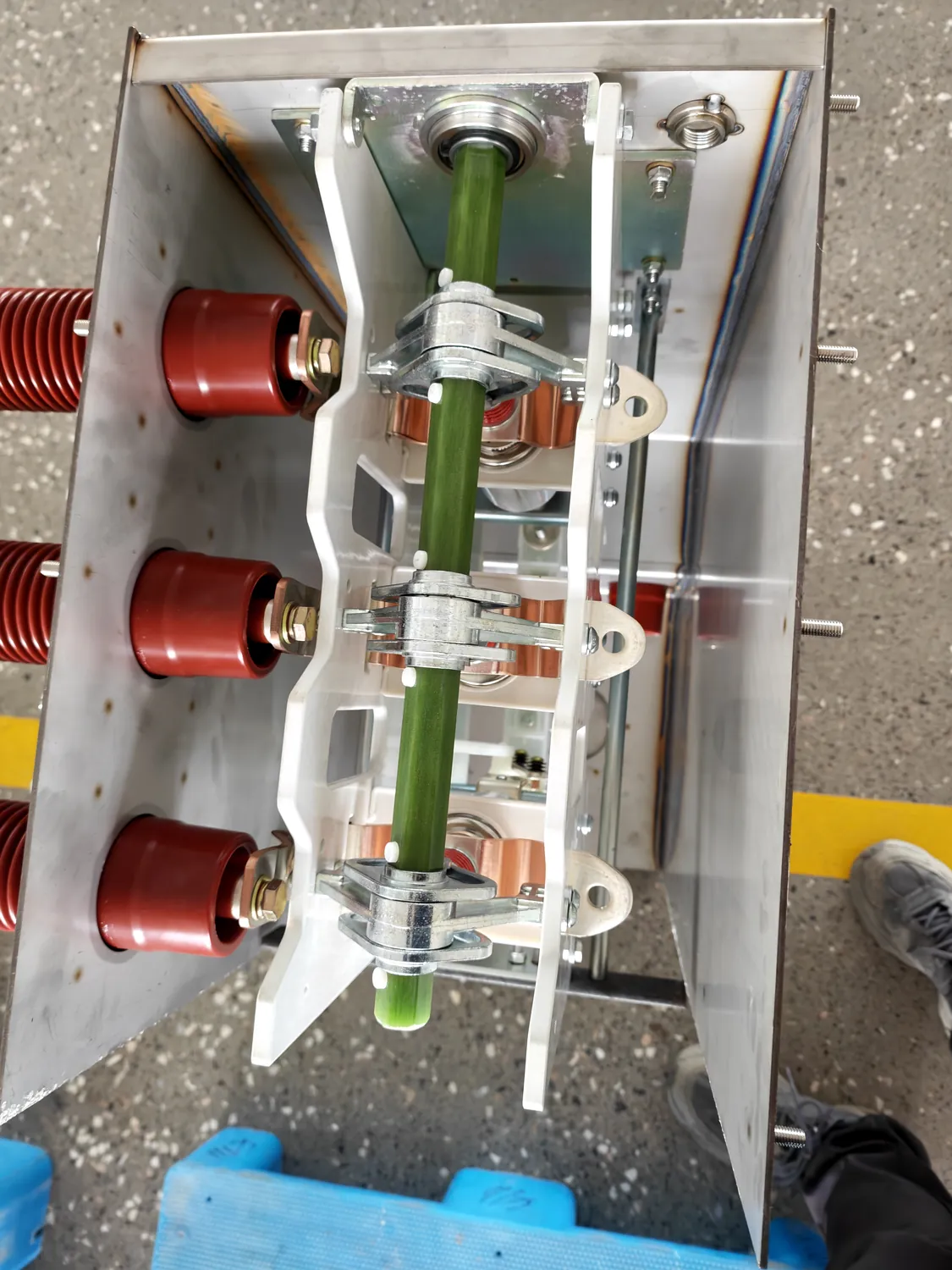
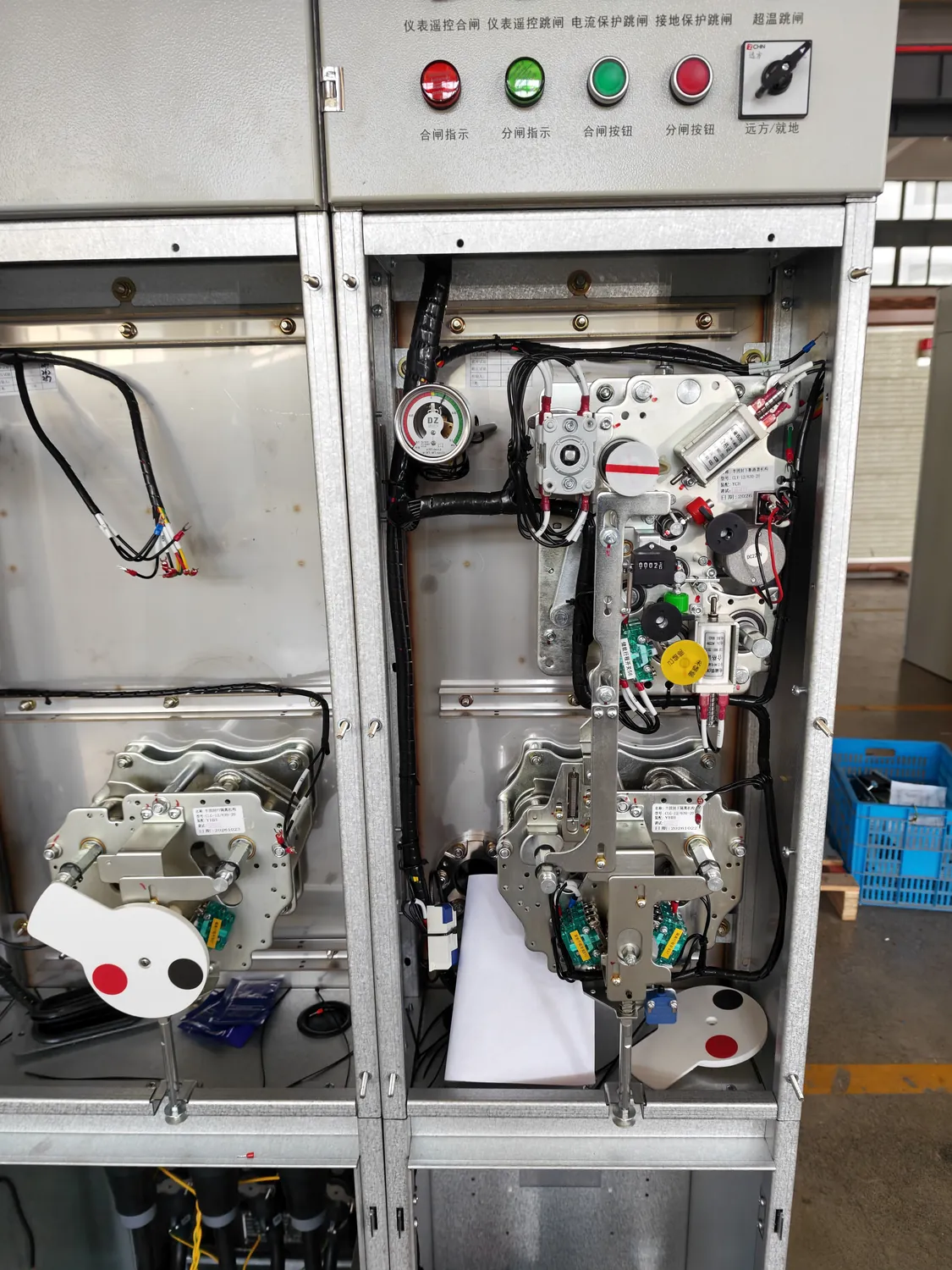
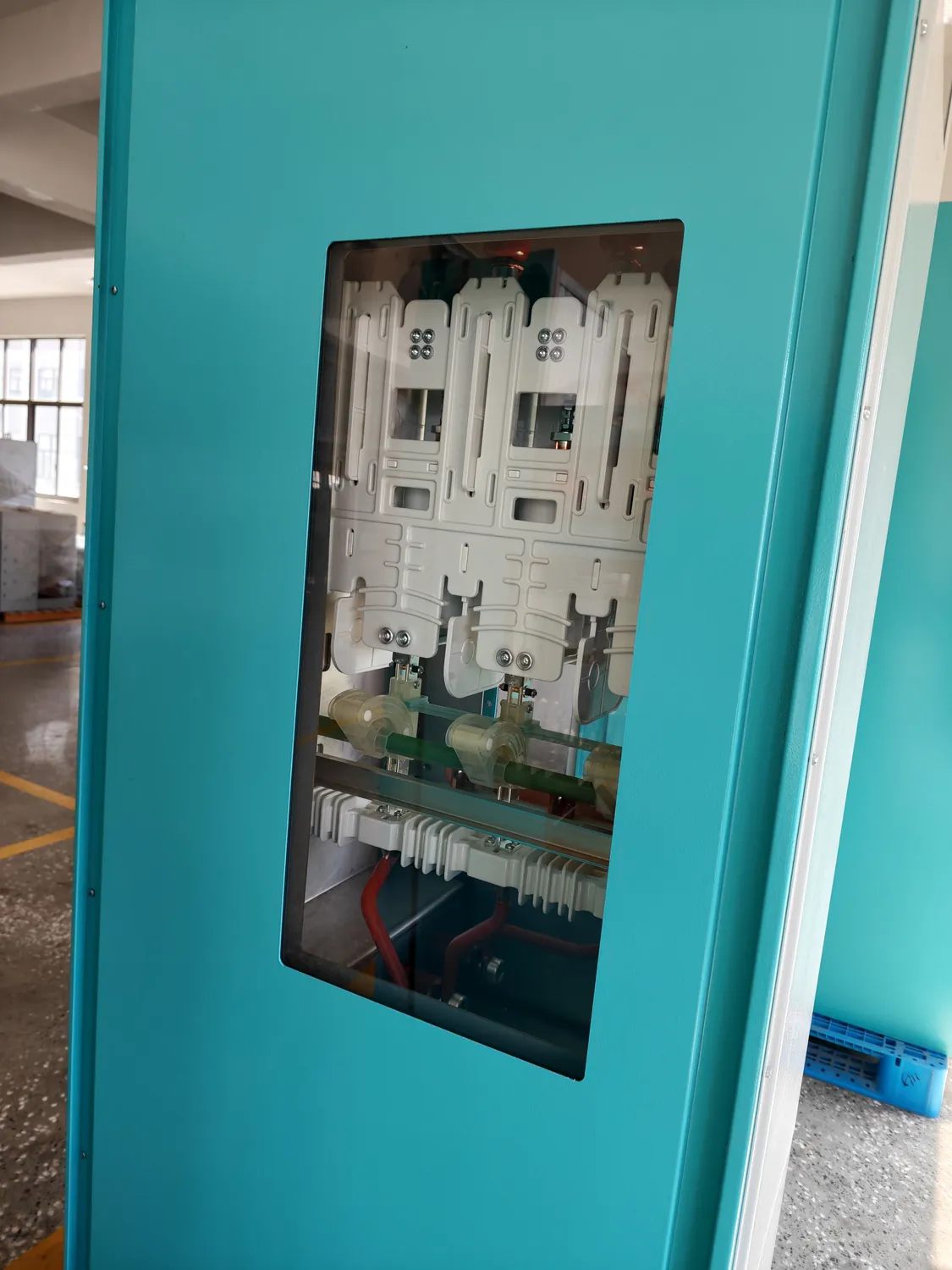
- Assembly — busbar, earthing switch, vacuum interrupter and mechanism assembly in a dedicated bay.
- Test — power-frequency withstand, partial discharge, gas leak and mechanical operation on every serial number, with the record travelling with the unit.