
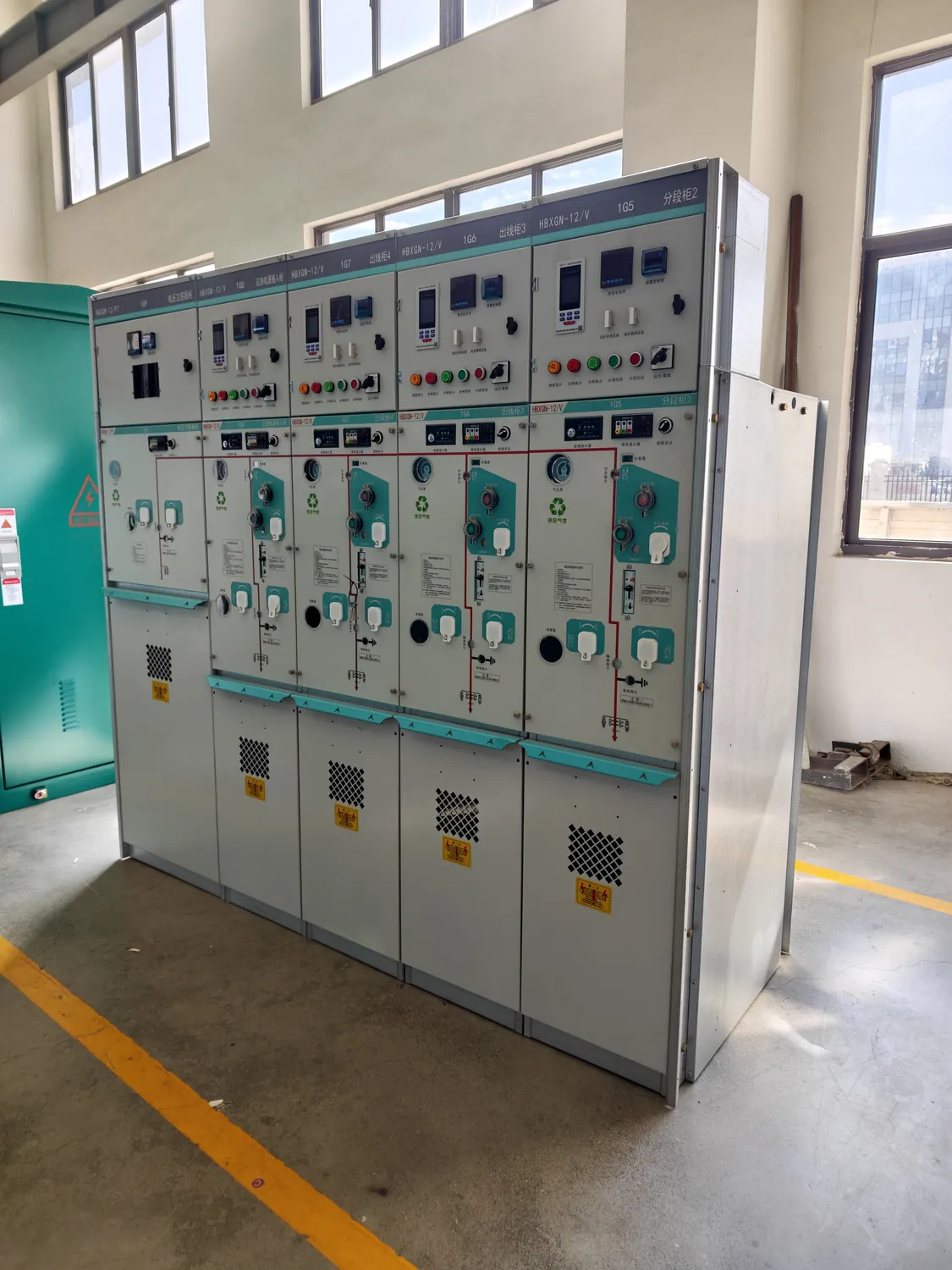
Feeders below about 1,000 kVA can be protected two ways: by an RMU with a vacuum circuit breaker, or by a switch-fuse combination. Both interrupt faults; both fit in a sealed enclosure; both are quoted at similar prices. The difference is what happens after the fault, and how much coordination work the designer is willing to do.
This note sets out where each option belongs on an 11 kV distribution network, with the numbers that actually decide it. If the terms themselves are new, start with what a ring main unit actually is.
How the two options interrupt a fault
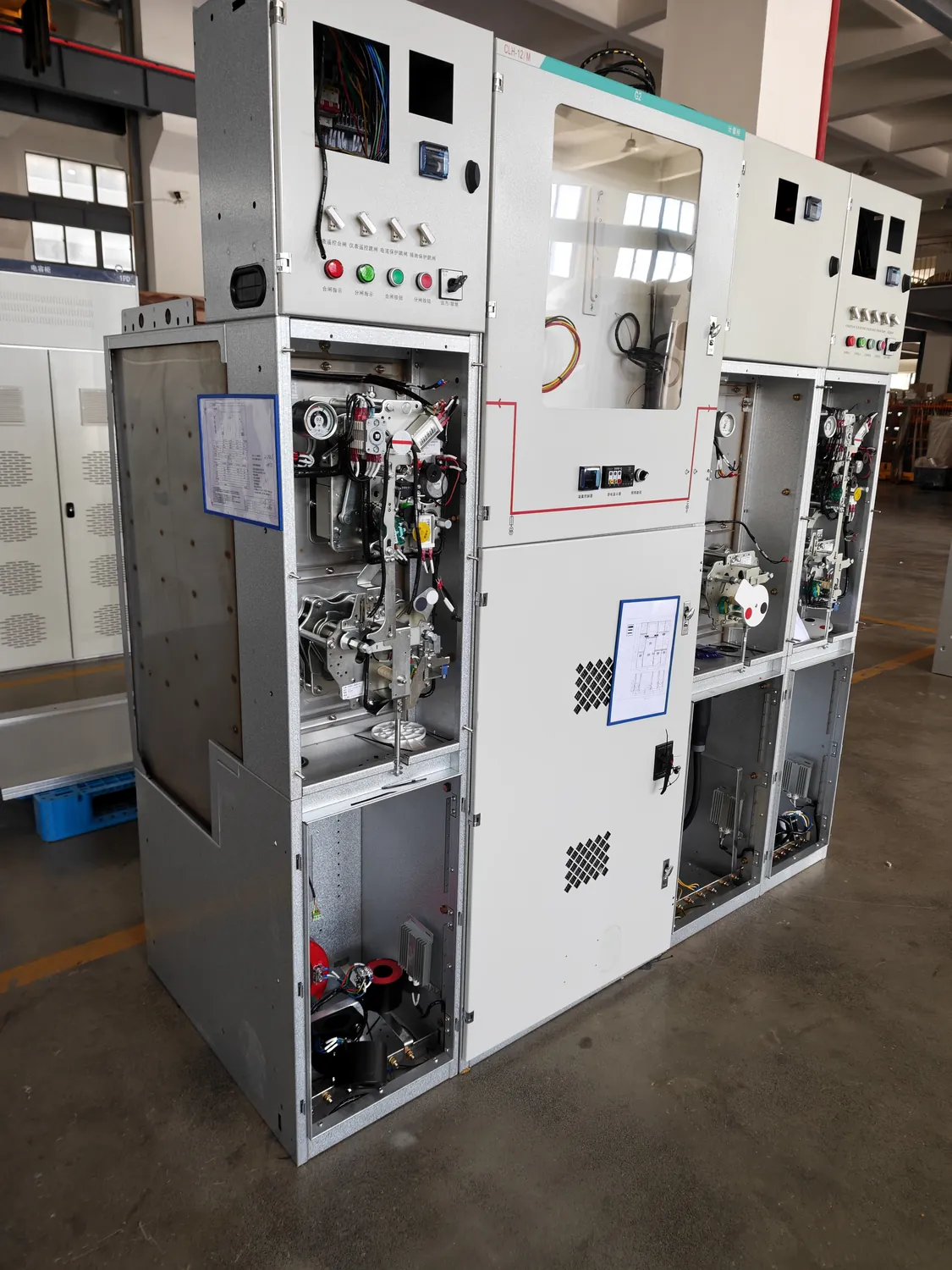
A circuit breaker in an RMU clears the fault with a vacuum interrupter and a relay. It can be set to trip at a chosen current and time, can be reclosed remotely, and can be reset in seconds. The RMU stays serviceable after a fault.
A switch-fuse combination clears the fault by melting an HV fuse. The switch is there to break load current; the fuse is there to break fault current. After operation, someone has to travel to site, isolate the feeder, replace the fuse and close the switch.
That single difference — reset versus replace — drives most of the selection.
Where switch-fuse is the right answer
Public distribution feeders in the 11 kV class, serving small transformers or short cable runs, are the classic switch-fuse application. The fault level is modest, the load is stable, and the number of operations per year is single digits.
- Transformer feeders up to roughly 1,000 kVA at 11 kV.
- Overhead or mixed rural networks where a fuse is easier to replace than to re-commission a relay.
- Sites with no protection engineer and no expectation of remote control.
- Projects where cost per feeder is the deciding factor and the utility standard already uses fuses.
Switch-fuse is also simpler to coordinate: an HV fuse has a fixed time-current curve, so selectivity against upstream devices is a matter of curve selection rather than relay settings.
Where a breaker earns its price
Once the feeder carries a meaningful load, serves critical customers, or sits inside a network that is expected to be automated, the breaker wins. The reasons are practical rather than theoretical.
- Repeated faults: a breaker can be reset and reclosed in minutes, a fuse cannot.
- Remote operation: SCADA can only reclose a breaker.
- Adjustable protection: settings can be changed as the network grows, a fuse rating cannot.
- High fault levels, where fuse replacement becomes expensive and the fuse itself is large.
- Customer-side switchgear where downtime has a commercial cost.
Breaker panels also allow earth-fault protection as a separate function, which matters on cable networks with long runs and difficult soil.
Coordination and selectivity
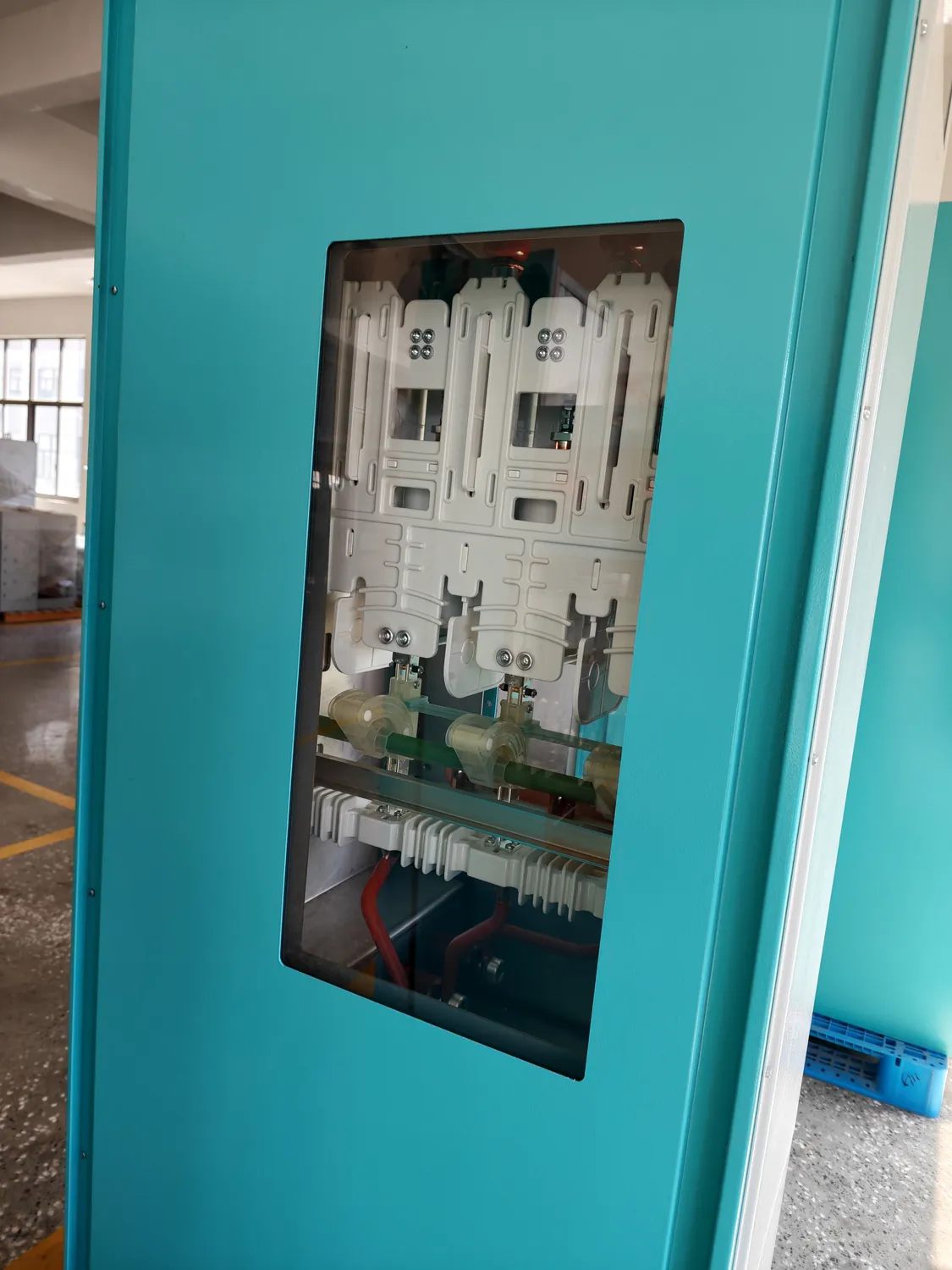
Comparing RMU vs switch-fuse is therefore a comparison of protection philosophy, not of hardware. Both options must coordinate with the upstream protection. A breaker with the wrong settings is no better than a fuse with the wrong rating, and both can be worse than nothing if they trip before the substation breaker.
| Item | Switch-fuse RMU | Breaker RMU |
|---|---|---|
| Fault clearing | HV fuse melts | Vacuum interrupter + relay |
| Restore supply | Site visit, replace fuse | Reset locally or remotely |
| Protection setting | Fixed by fuse curve | Adjustable, relay based |
| Earth-fault protection | Limited | Separate relay function |
| SCADA integration | Status only | Full control |
| Typical use | Transformer feeders, utility networks | Critical loads, automated networks |
Cost, in the right units
On purchase price, a switch-fuse feeder is usually cheaper than a breaker feeder. On total cost, the comparison depends on how often the feeder operates. A fuse replacement costs a site visit, a spare fuse and an outage; two or three replacements a year quickly exceed the price difference.
For a network with stable load and rare faults, switch-fuse stays the cheaper lifecycle option. For a feeder with recurring transient faults, cable dig-ins or a critical customer behind it, the breaker is the cheaper choice from the first year.
Practical selection checklist
- What is the feeder’s fault level, and what fuse rating can clear it within the switch’s rating?
- How often has this feeder faulted in the last five years?
- Will the network be automated or monitored in the next ten years?
- Is there a protection engineer available to set and maintain relays?
- What is the cost of one outage hour for the customer behind the feeder?
- Does the utility standard mandate fuses, breakers, or either?
Answers to those six questions usually settle the argument before the quotation stage. If the answers point both ways, a mixed RMU — breaker on the critical feeder, switch-fuse on the transformer feeders — is a perfectly normal layout and often the most economic one.
FAQ
Can a switch-fuse panel be upgraded to a breaker later? Rarely in a sealed RMU. The tank, busbar and panel are built as one unit, so the upgrade is normally a new panel rather than a conversion.
Is a fuse slower than a breaker? At high fault currents a fuse is very fast, often faster than a relay. At low overloads it is slower, which is why fuse selection is about the whole curve, not one point.
What fuse rating fits a 630 kVA transformer at 11 kV? Typically 63 A or 80 A depending on inrush and the utility’s practice. The rating must be checked against the switch’s rated fault current.
Do breaker RMUs need a separate DC supply? Motorised and relay-equipped panels need auxiliary power, usually 24 V DC or a small UPS. Switch-fuse panels do not.
Which is better for a wind or solar farm collector feeder? A breaker. The feeder operates often, and remote reset matters when the site is remote.
Does the choice affect the type tests? Yes. The panel configuration tested must match what is supplied, so a breaker panel is not covered by a switch-fuse test certificate.
CHNGS builds both breaker and switch-fuse configurations on the GSRM6 platform in Yueqing, with routine tests recorded for every panel. For feeder protection questions on an 11 kV or 33 kV project, write to info@chngs-electric.com or WhatsApp +86 135 8897 8050. Background reading: cable terminations for sealed RMUs, how the tank is welded and sealed, and component notes from our sister plant at electric-cn.com.
