
A feeder trips, the operator arrives, and the first question is always the same: which cable section failed? In an RMU network the answer is rarely obvious from the substation, because one ring main unit may sit between four cables and no instrument on the panel tells you which side went down. Fast fault location is what keeps an SAIDI figure respectable.
There are four practical methods used on 11 kV and 33 kV ring networks today. They differ in cost, in accuracy and in whether they need a live line to work — and most utilities end up using two of them together.
Why RMU networks make location harder
A sealed RMU is compact and gas-insulated, which is good for the panel and awkward for diagnostics. There is no easy access to test a cable core, the cable box is small, and the unit is often pad-mounted in a street where nobody wants an outage extended for testing.
An RMU fault location procedure therefore has to work with what the panel can tell you: protection targets, indicator flags, gas pressure, and whatever can be measured at the cable box. The feeder also branches. In a ring, the fault may lie on any of the cable sections between units, and the only evidence available at first is that the protection operated at one end.
Method 1: sectionalising by switching
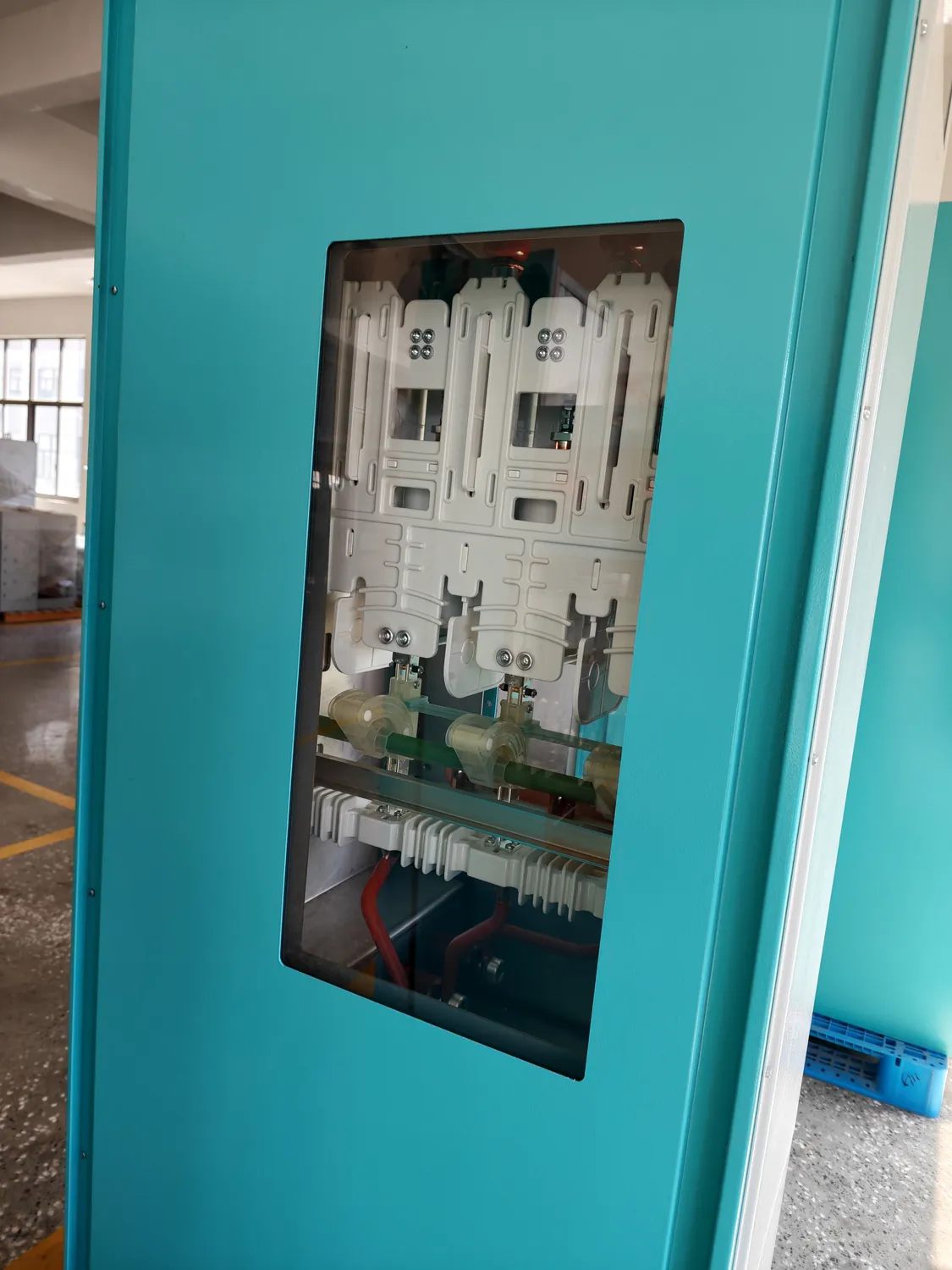
The oldest method is still the fastest when the network is simple. Isolate the suspect section, restore as much of the ring as possible, and see which customers remain dark. Two or three switching steps normally narrow the fault to one cable section.
- No equipment cost beyond what is already installed.
- Requires switching authority and a clear single-line diagram.
- Interrupts supply to customers during each step, so it is a compromise, not a diagnosis.
- Works best where the ring has few branches and the operator knows the layout.
Because every step is an outage, this method is increasingly used only as the first pass, backed by a measurement method on the isolated section.
Method 2: time-domain reflection (TDR)
TDR sends a pulse down a de-energised cable and measures the reflection. The delay gives the distance to the fault, and the shape of the reflection suggests whether it is an open circuit, a short or a joint problem.
Accuracy depends on knowing the cable’s propagation velocity, which varies with insulation type and manufacturer. On a mixed network with XLPE and legacy paper cable, that means keeping a velocity table per section rather than assuming one number.
TDR needs the cable isolated and discharged. It is precise on long cable runs and less useful on short sections where the reflection arrives before the pulse has finished.
Method 3: arc reflection and surge testing
Where the fault is a high-resistance breakdown that TDR cannot see clearly, a surge generator is used to burn or thump the fault while a filter protects the TDR. The combination is called arc reflection, and it locates faults that a plain pulse misses.
This is the method of choice for cable faults that only appear under voltage. It needs a specialist crew and a test van, so it is normally the second visit, not the first.
Method 4: distributed monitoring and fault passage indicators
The modern answer is to instrument the network. Fault passage indicators (FPIs) at each RMU record when fault current passes, and a remote terminal unit reports it. The result is a location to the nearest section in minutes, without switching.
| Method | Needs outage | Typical accuracy | Best for |
|---|---|---|---|
| Sectionalising | Yes | One cable section | Simple rings, first pass |
| TDR | Yes, isolated | 1-2% of length | Long cable runs, clear faults |
| Arc reflection | Yes, isolated | Metres | High-resistance faults |
| FPI + RTU | No | One section | Instrumented networks, SAIDI targets |
Choosing instruments at the specification stage
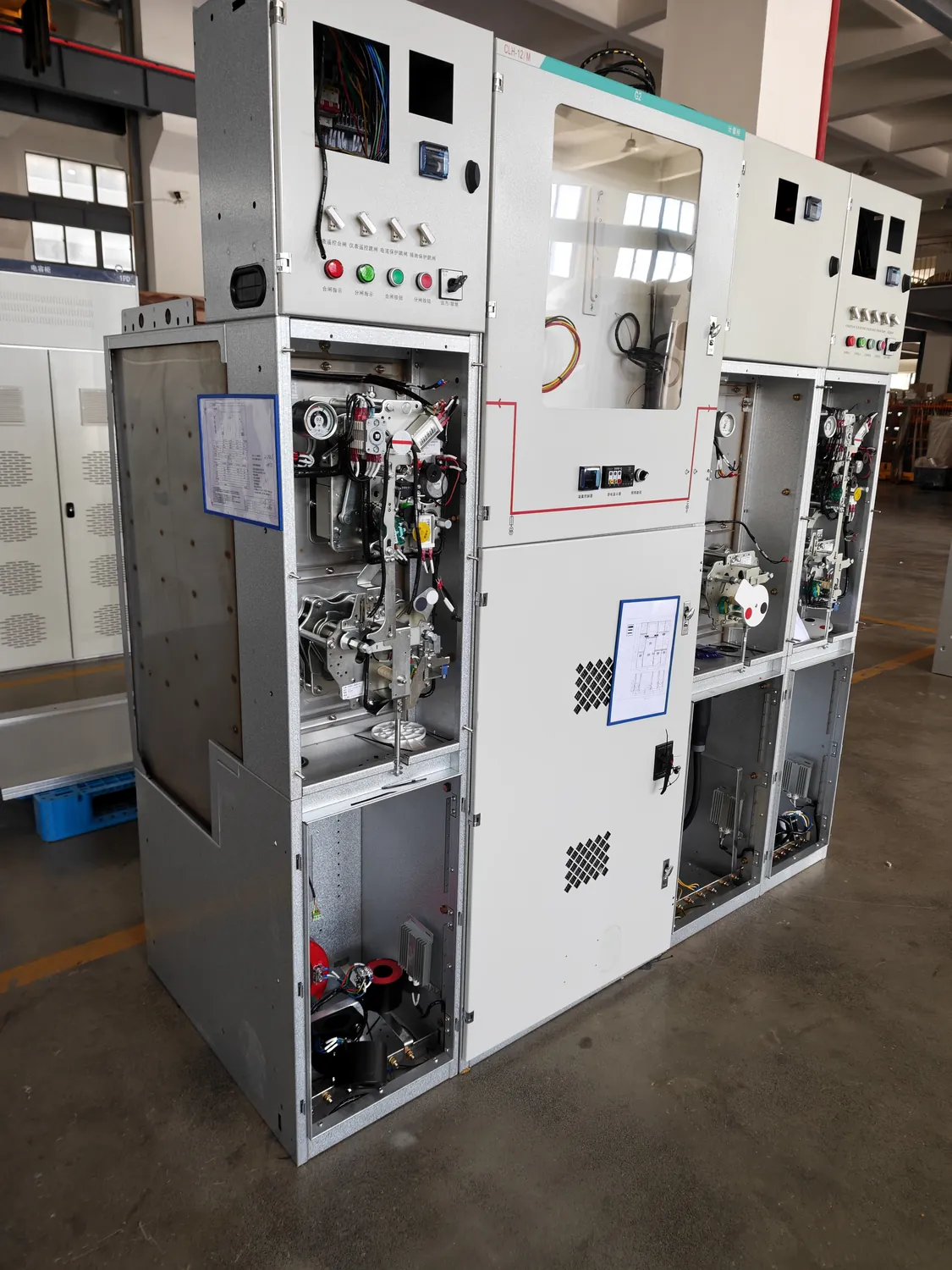
Most of the cost of fast location is decided when the RMU is ordered, not when the fault happens. Three items are worth writing into the specification:
- Fault passage indicators on every cable way, with a local flag that is visible without opening the box.
- A test point or capacitive tap that lets a TDR or PD set connect without dismantling the termination.
- An RTU or at least a communications-ready terminal block, so indicators can be read remotely later.
These add a small percentage to the panel price and remove hours from every future outage. On a network with a dozen RMUs, the payback is usually the first two faults.
Putting the methods together
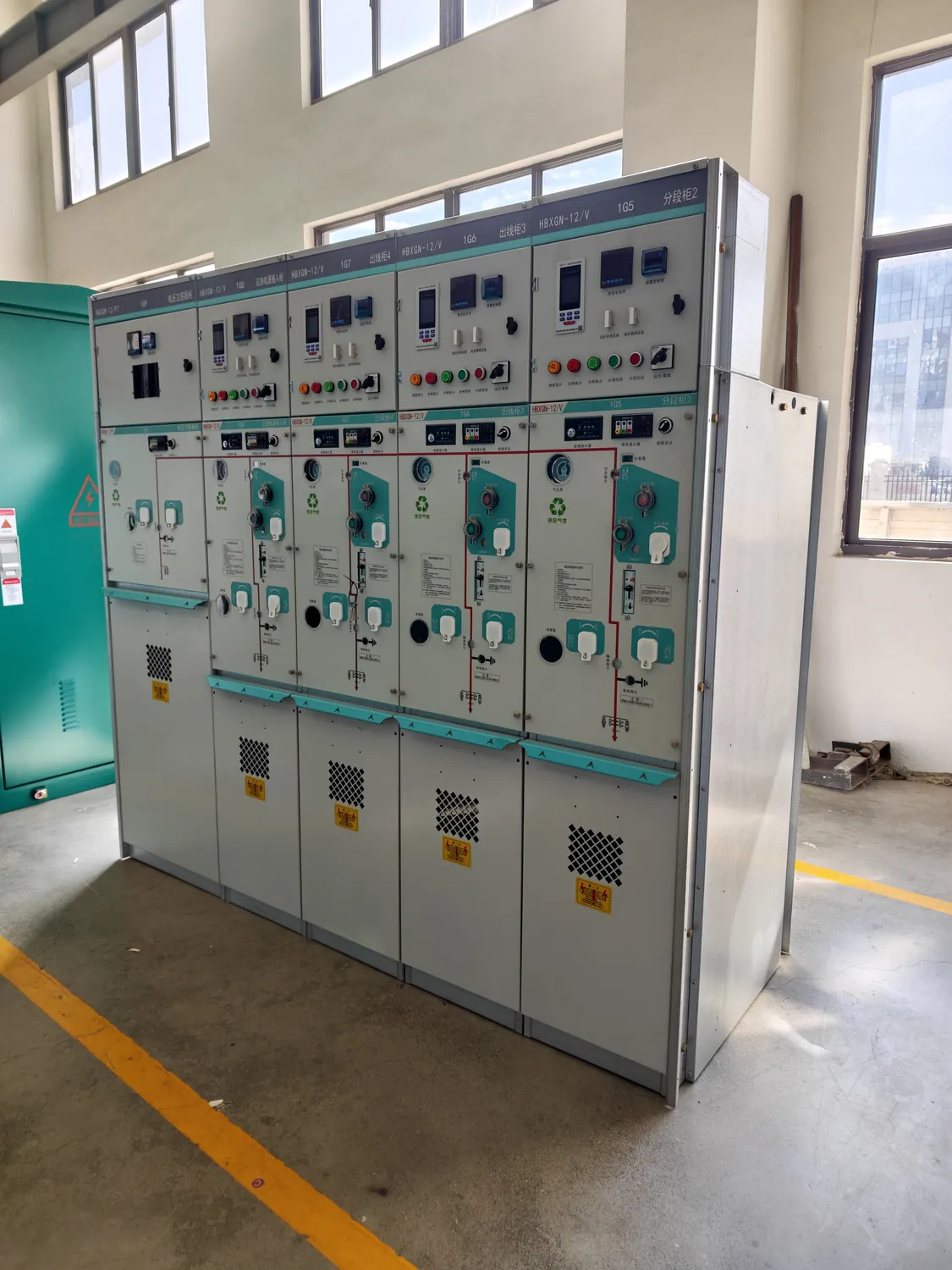
A workable field procedure on a cable ring looks like this: protection target and FPI flags give the section, remote switching restores the healthy part of the ring, then TDR on the isolated section gives the distance, and arc reflection is booked only if the fault will not show.
That sequence keeps the outage short and avoids sending a test van to every fault. It also means the switching team and the cable team work from the same information, which in practice is the difference between a two-hour outage and a six-hour one.
FAQ
Can a fault be located while the feeder is live? Only with monitoring methods such as FPIs or on-line partial discharge sensors. TDR and surge methods require the cable isolated and earthed.
How accurate is TDR in practice? Usually within 1-2% of the cable length when the propagation velocity is known. On a 1,200 m run that is 12 to 24 m, enough to expose the right joint bay.
Do I need FPIs on every RMU? On an automated network, yes. On a small ring with two or three units, sectionalising is usually enough and the indicators can wait.
What if the fault is in the RMU itself? Then the gas pressure and partial discharge readings are the evidence, not the cable test. A sealed unit with low pressure should be isolated and referred to the manufacturer.
Is a cable test after repair mandatory? A DC withstand or very low frequency test is normal practice before re-energising, with the results recorded for the asset file.
Can the RMU report its own fault current? Some relays log fault current magnitude and time, which helps distinguish a cable fault from a transformer fault. Worth specifying where relays are fitted.
CHNGS supplies GSRM6 ring main units in Yueqing with FPI, relay and RTU options prepared at the factory, and every panel carries a routine test record. For network automation questions on an 11 kV or 33 kV project, contact info@chngs-electric.com or WhatsApp +86 135 8897 8050. Related reading: what the routine test bay checks, how an RMU is built and rated, RMU versus switch-fuse protection, and component notes at electric-cn.com.
